Introduction
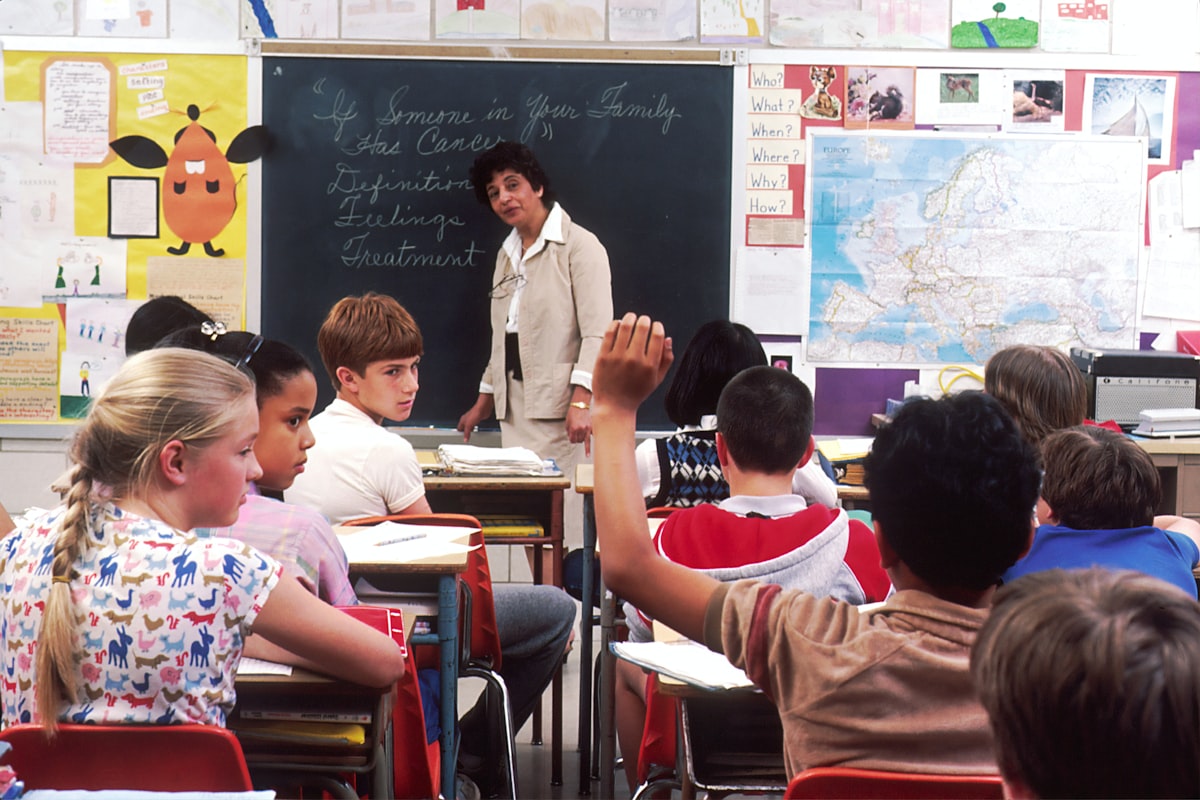
The United States continues to face a significant teacher shortage in 2026. Many school districts are struggling to hire and retain qualified educators, especially in subjects such as math, science, and special education.
This shortage is affecting classroom sizes, teaching quality, and overall student performance in both urban and rural areas.
Main Causes of Teacher Shortages
Several key factors are contributing to the problem:
- High workload and stress levels
- Relatively low salaries compared to other professions
- Burnout after the COVID-era education changes
- Increasing administrative responsibilities
- Lack of new teacher recruitment
These challenges are making it difficult to maintain stable staffing levels.
Impact on Students
Teacher shortages are directly affecting students by:
- Increasing class sizes
- Reducing individual attention
- Limiting course availability
- Increasing reliance on substitute teachers
- Creating inconsistent learning experiences
These factors can negatively impact academic achievement.
School District Responses
To address the shortage, schools are implementing several strategies: increasing teacher salaries in some districts, offering signing bonuses and incentives, hiring retired or part-time teachers, expanding alternative certification programs, and using technology to support instruction.
These efforts aim to stabilize staffing levels.
Long-Term Concerns
If the shortage continues, experts warn it could lead to:
- Lower overall education quality
- Increased inequality between districts
- Reduced student performance in key subjects
- Greater reliance on online or automated learning tools
Conclusion
Teacher shortages remain a critical challenge in U.S. education. Solving this issue will require long-term investment, policy changes, and improved support for educators across the country.